The Sou’wester Lodge: A Living Chronicle of Coastal Culture
Origins: Senator Corbett’s Seaside Sanctuary
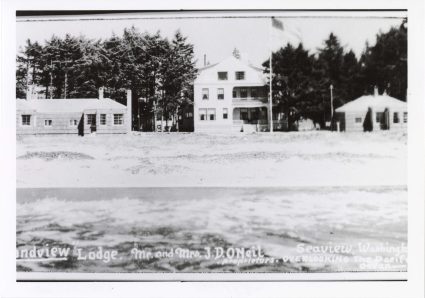
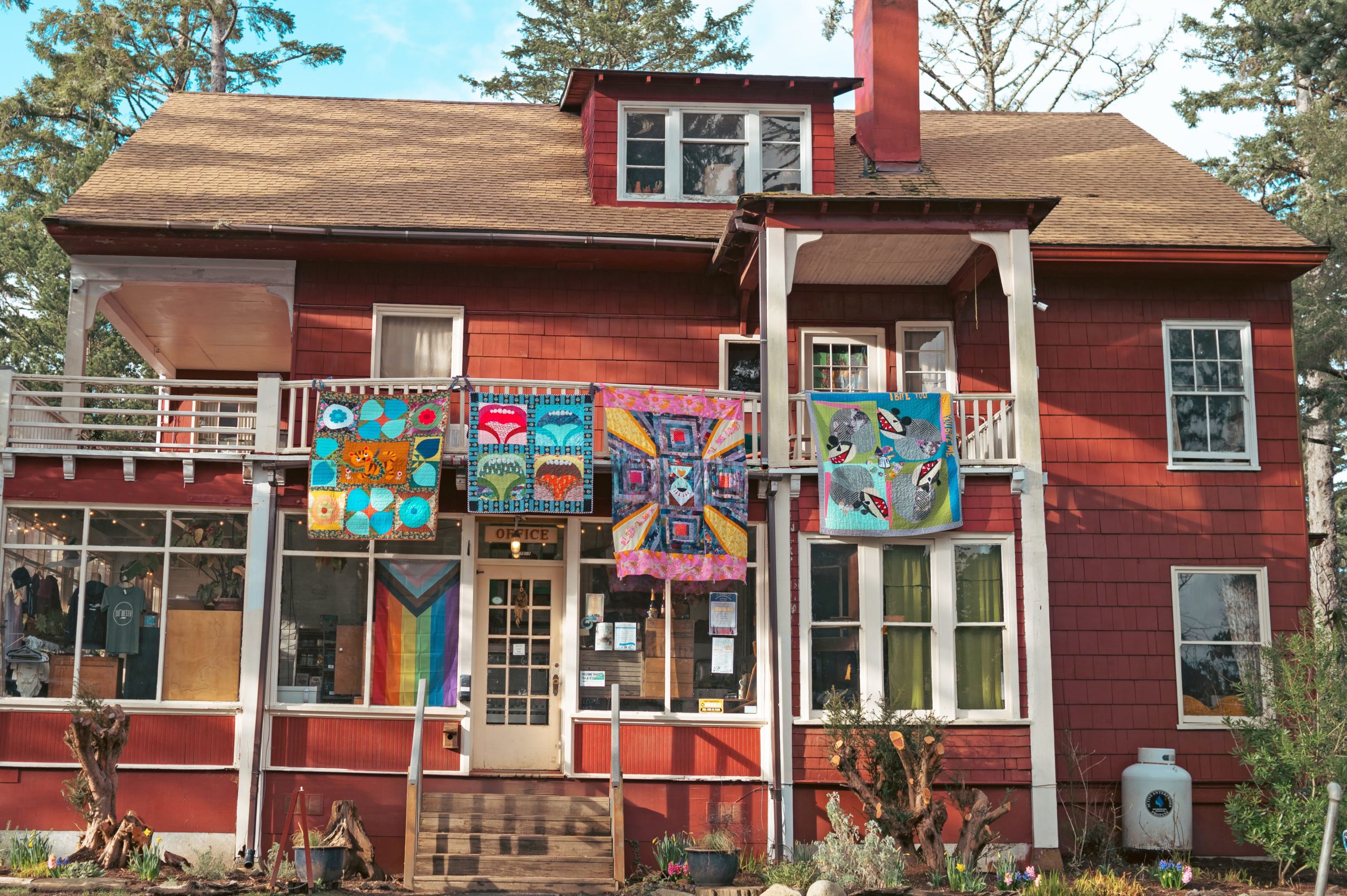
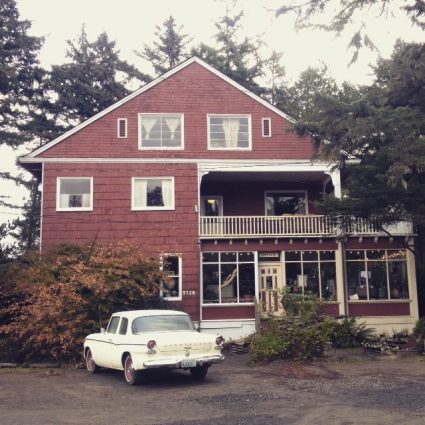
In 1892, U.S. Senator Henry Winslow Corbett of Oregon commissioned the construction of a grand Victorian home in Seaview, modeled after his childhood home in Massachusetts. At the time, Seaview was emerging as the “Hamptons of the West,” a coastal resort town where Portland’s prominent families came to escape the summer heat. The Westborough House, as it was called, quickly became a social centerpiece.
At the start of the season, guests would arrive with chickens in tow and wrap up the summer with a celebratory fried chicken party on the lawn. One year, a family took it a step further by bringing a cow and ending the season with a festive beef feast.
Formal rose gardens once bloomed where the central trailers now sit. The Pavilion was originally horse stables, and the current RV sites were once carriage parking. The surrounding landscape, now dense with trees, was once wide-open and windswept sand dunes with no trees in sight. Over the past century, the shifting terrain was gradually overtaken by European beachgrass and Sitka spruce, transforming the bare coastline into the forested area we see today.
The “Daddy Train”: A Weekend Tradition
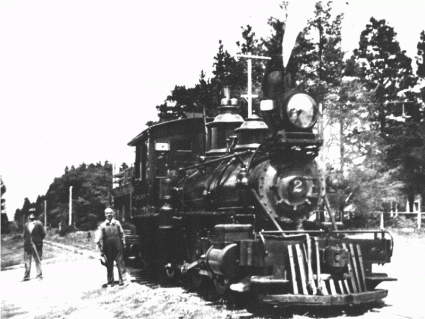
During Seaview’s heyday, the Ilwaco Railway and Navigation Company ran a narrow-gauge railroad along the Long Beach Peninsula. Nicknamed the Clamshell Railroad, it was affectionately called the “Daddy Train.” While mothers and children spent summers at the coast, fathers commuted from Portland each weekend, returning to the city on Sunday evenings. The train’s famously slow pace inspired plenty of good-natured jokes, but it became a beloved symbol of Seaview’s seasonal rhythm and weekend reunions.
Transformation: From Private Mansion to Public Lodge
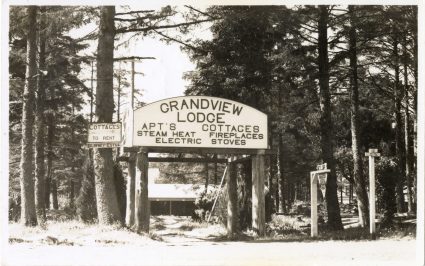
By the mid-20th century, the Westborough House transitioned into a public lodge known as The Grandview Lodge. In the 1950s, the grand ballroom was converted into the guest suites you see today. The once-elegant gardens gave way to cabins and RV sites, and the lodge became a destination for anglers and travelers drawn to the rugged beauty and booming fishing culture of the Long Beach Peninsula.
Len and Miriam Atkins: Cultivating a Creative Community

In the 1980s, Len and Miriam Atkins discovered the lodge during a cross-country trip, fell in love, and bought it that very weekend. Then, the skies opened and it rained heavily for weeks in a true sou’wester storm. (The term “sou’wester” refers to a stormy wind from the southwest that often brings heavy rain to coastal areas). The name stuck, both as a nod to the wild coastal weather and to the lodge’s location as the southwesternmost lodging in Washington state.
Len and Miriam were bohemian academics with sharp wit and deep curiosity. They embraced the lodge’s eccentric spirit, filling it with found objects, vintage furniture, and handmade signs. Their humor shaped the identity of the place: signs read “Bed and make your own damn breakfast,” and rooms had names like “The Disorient Express.”
They introduced “Tink Tanks,” philosophical gatherings over wine or tea, and welcomed poets, musicians, and thinkers into the fold. Their collection of vintage trailers, lovingly restored and decorated, reflected a belief in the democratization of homeownership. It was rooted in the idea that everyone deserves a space of their own, no matter how small. Their legacy lives on in the atmosphere, the archives, and the many quirks that give the Sou’wester its soul.
TCH! TCH! — Trailer Classics Hodgepodge
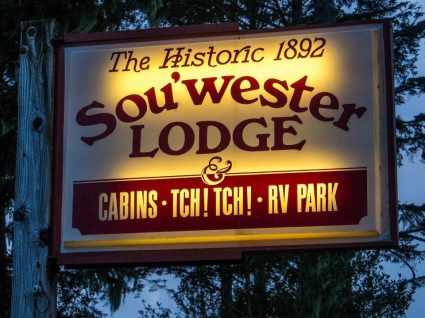
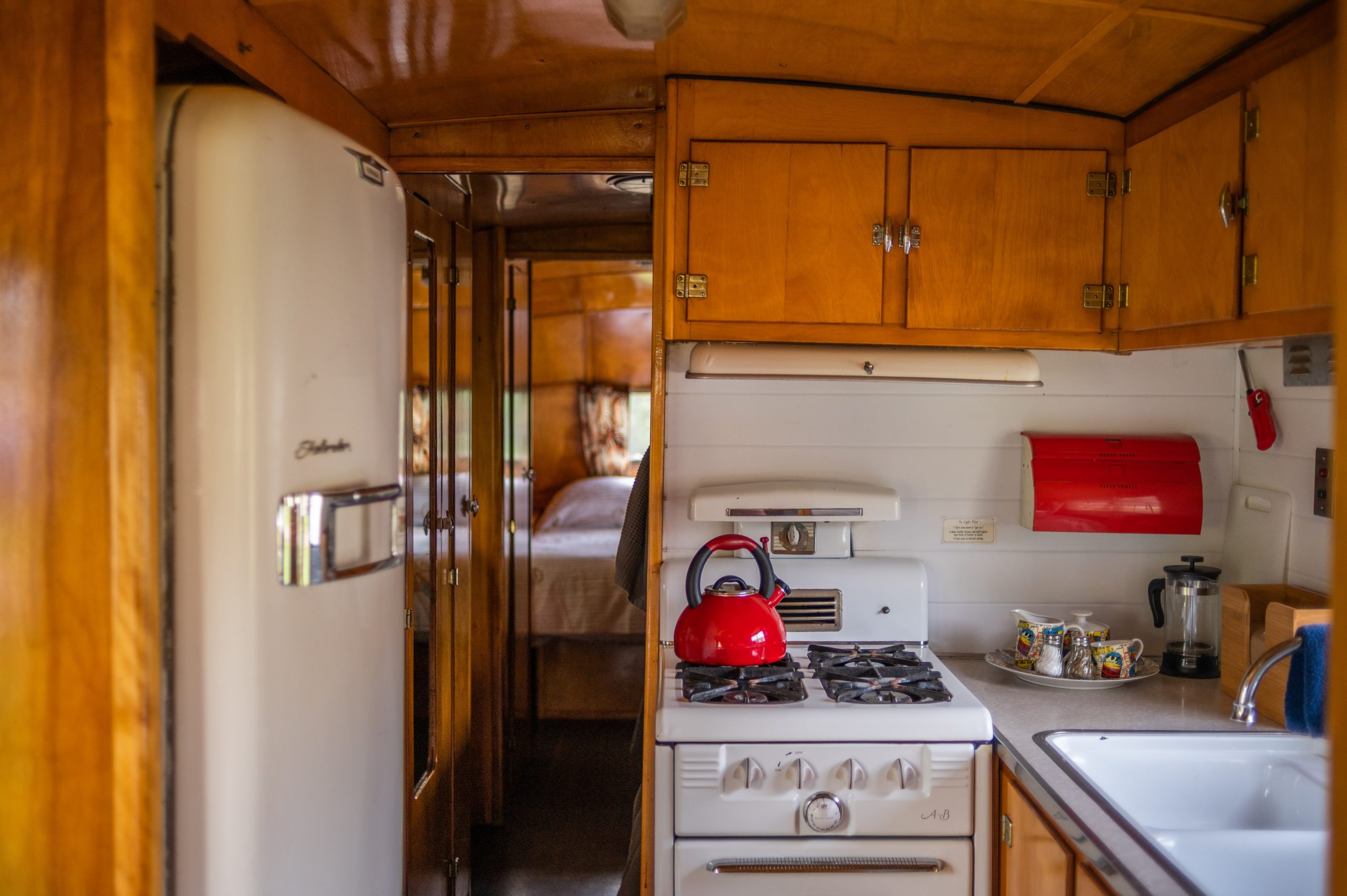
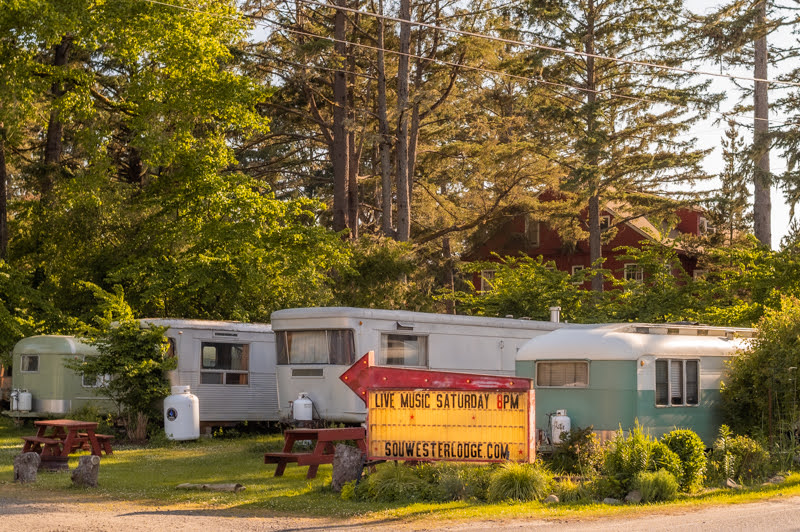
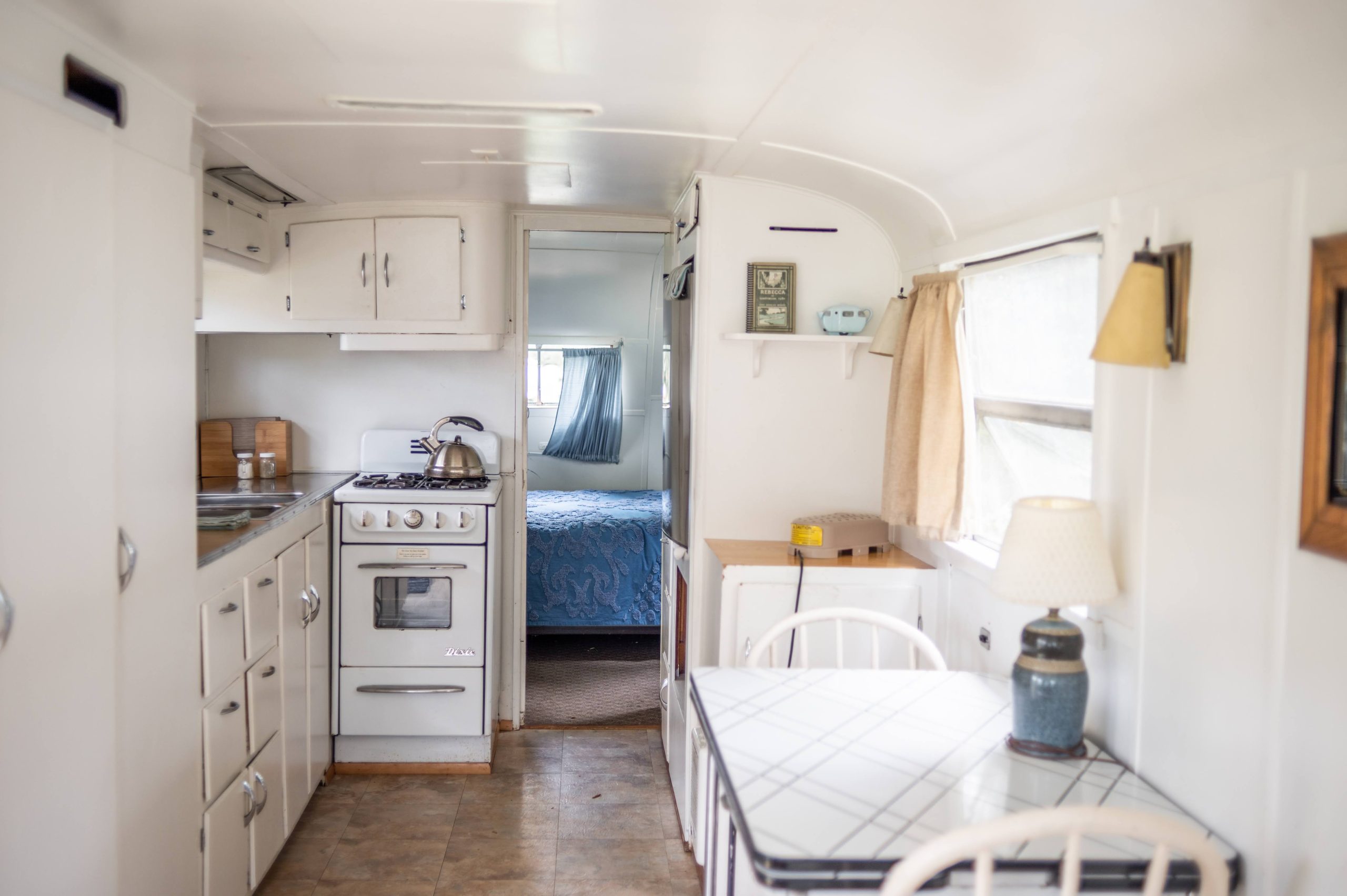
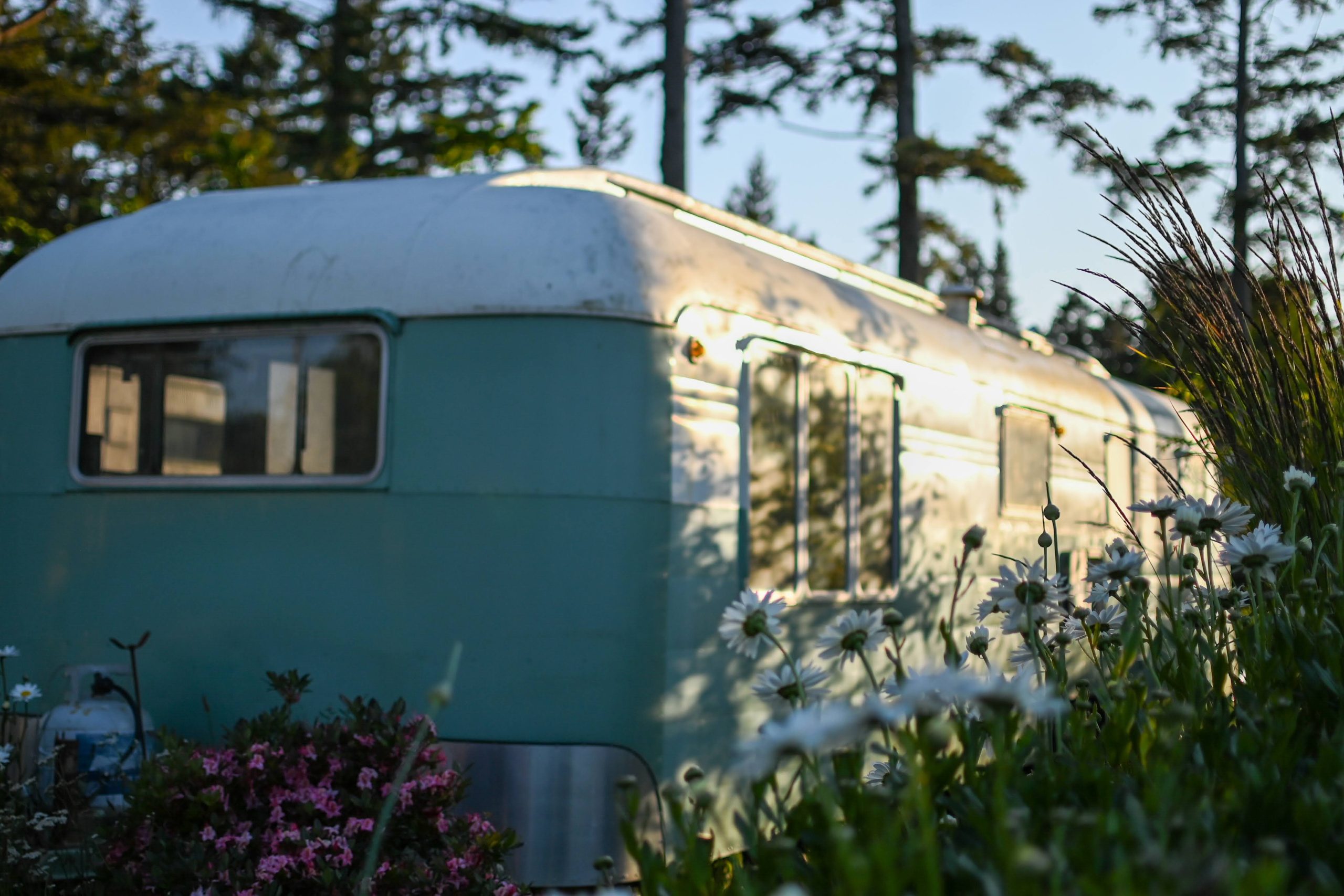
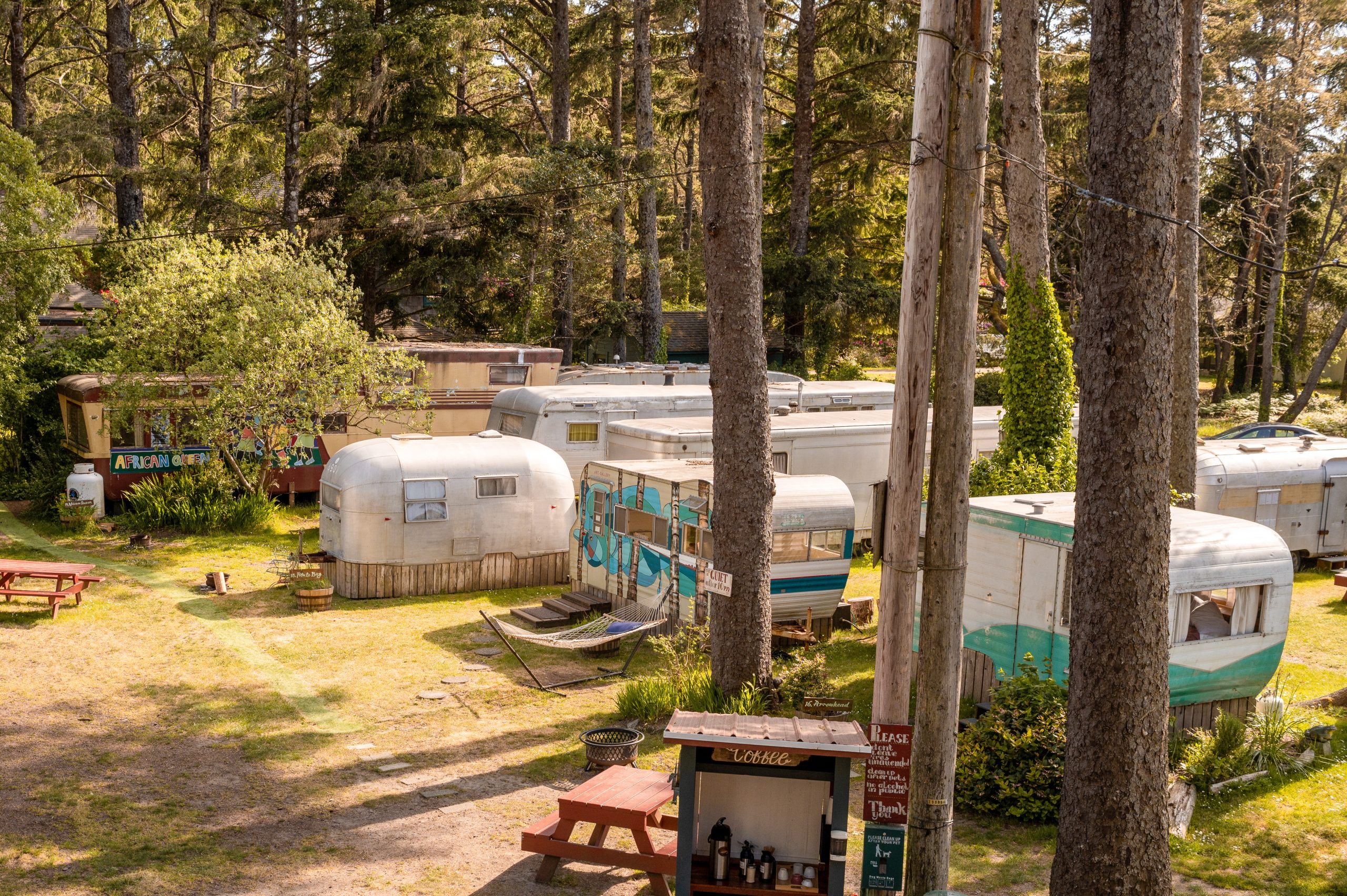
One of the most iconic signs still hanging at the Sou’wester today reads: “Camping, TCH! TCH!, RV Park.” The phrase TCH! TCH! stands for Trailer Classics Hodgepodge, a playful nod to the lodge’s eclectic mix of vintage trailers from the 1940s, 50s, and 60s. No two are alike, each one offering its own charm and character.
The term reflects the Sou’wester’s love of character, charm, and lived-in beauty over uniformity. Rather than curating a pristine, like-everyone-else hotel, the lodge celebrates individuality, offering guests a chance to experience a slice of Americana through one-of-a-kind spaces. Whether you’re rolling in with your own rig or staying in a retro trailer tucked beneath the trees, the sign is a wink, a welcome, and a reminder that here, a little hodgepodge is part of the magic.
Expanding the Legacy
In 2012, multimedia artist Thandi Rosenbaum became the new steward of the Sou-wester Lodge, guiding it into its next era while continuing to honor its creative legacy.
Rooted in Len and Miriam’s eclectic, creative vision and fondness for Americana, Sou’wester Arts emerged, alongside an expanded collection of vintage trailers that came to symbolize the spirit of the Sou’wester.
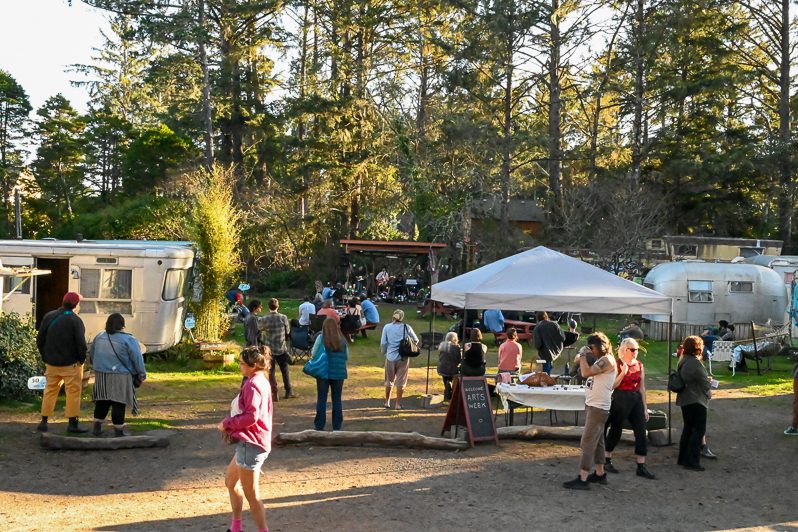
One of the nonprofit’s core offerings is the Sou’wester Artist Residency Program, which provides artists with time, space, and solitude to engage deeply with their work. Over the years, the Sou’wester has hosted over 1,200 artist residencies, 400 free live shows, and invited visiting artists to lead more than 200 arts and ecology workshops. Dozens of exhibitions have been featured in the Art Trailer Gallery, and screenings continue to unfold in the Red Bus Theater. Each year, the Sou’wester hosts Sou’wester Arts Week, a weeklong communal residency that culminates in a public exhibition featuring over 40 performances, installations, and open studios.
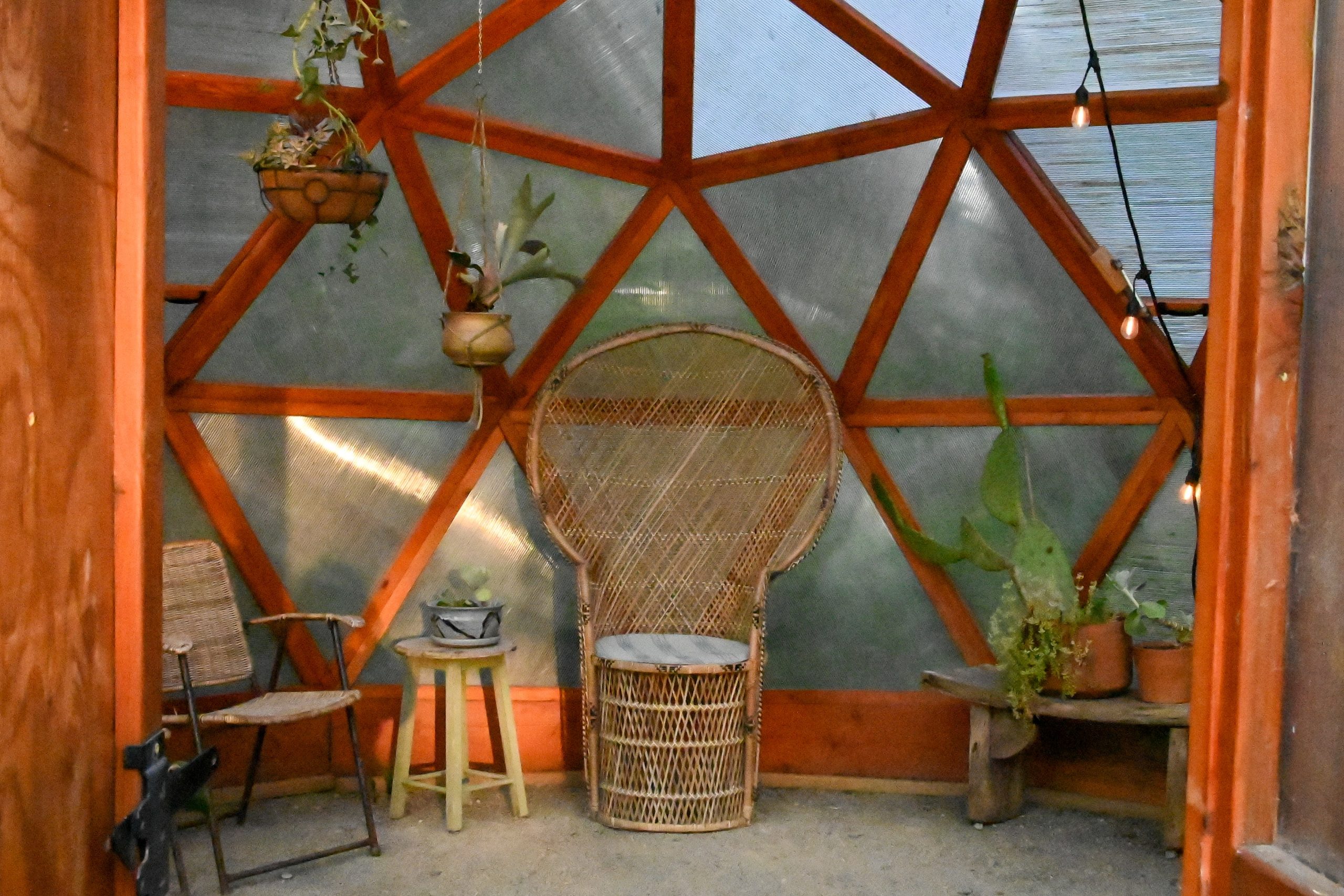
To help sustain and fuel these arts programs, the Sou’wester offers a variety of wellness spaces for guests and artists alike. The Garden Spa & Finnish Sauna and QT Tea Trailer not only enrich the guest experience but directly support the nonprofit’s programming.
The Sou’wester’s spirit thrives through the collective care of our team, resident artists, board and community partners.
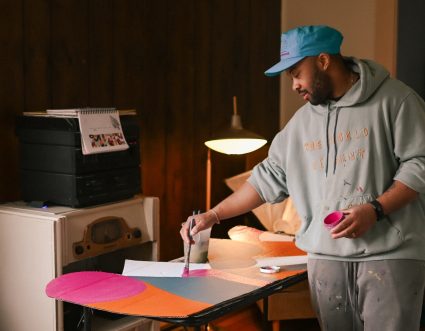
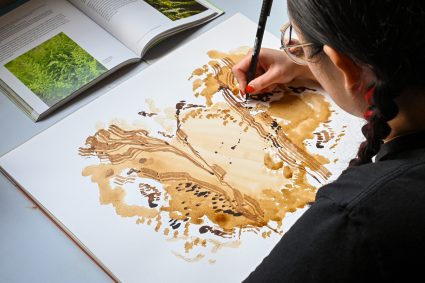

This spirit of creativity and care is reflected not only in the programs, but in the spaces themselves.
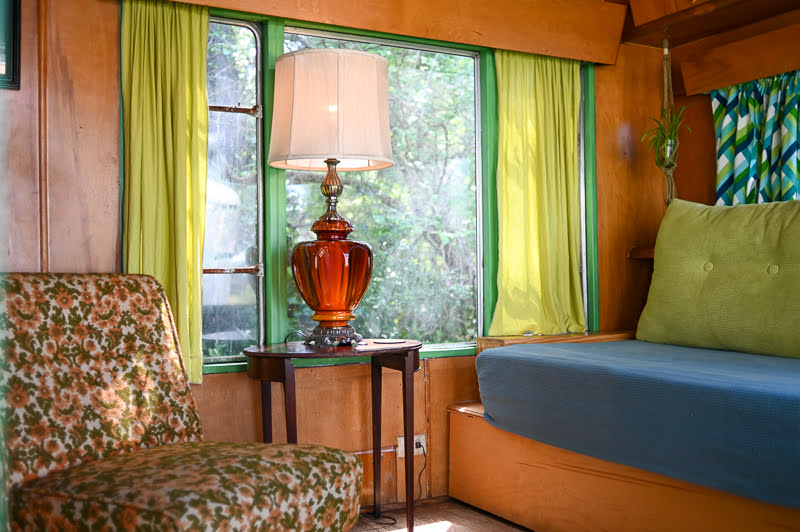
Each vintage trailer is styled with handmade details and treasures that give every space a distinct personality. Cozy textures, warm light, and an intentional sense of place invite guests to slow down, unplug, and feel at home.
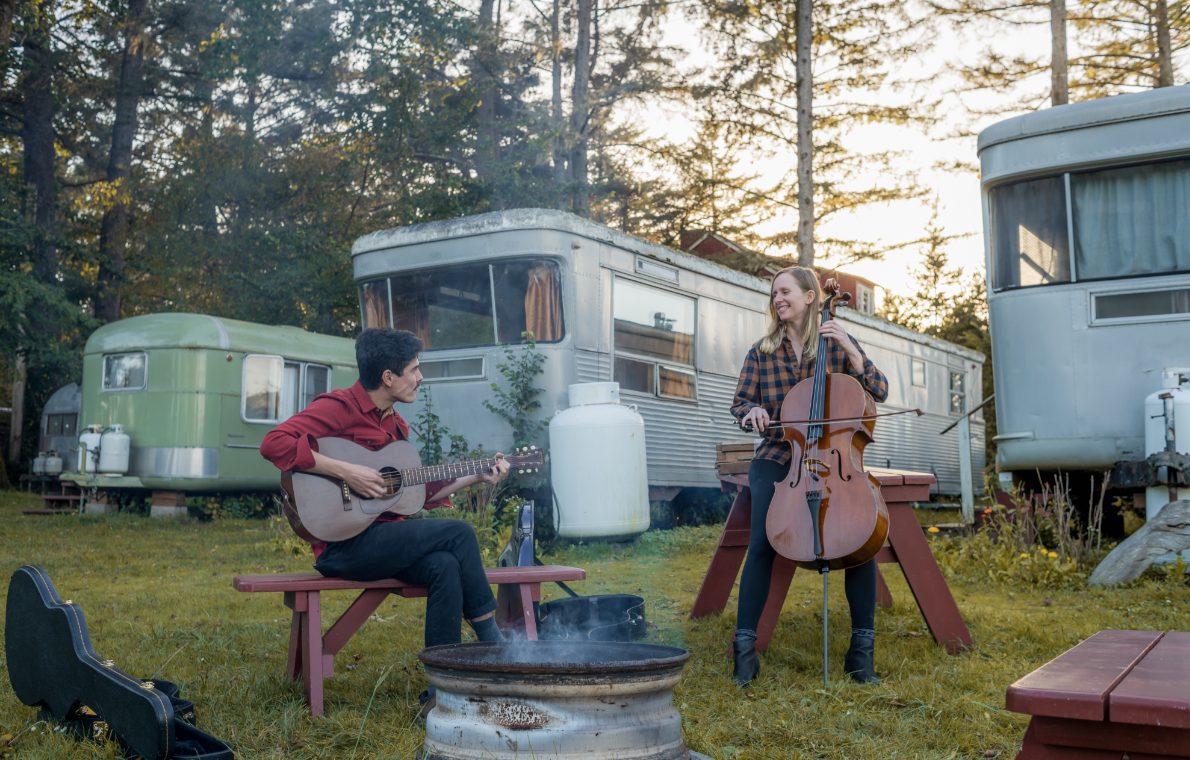
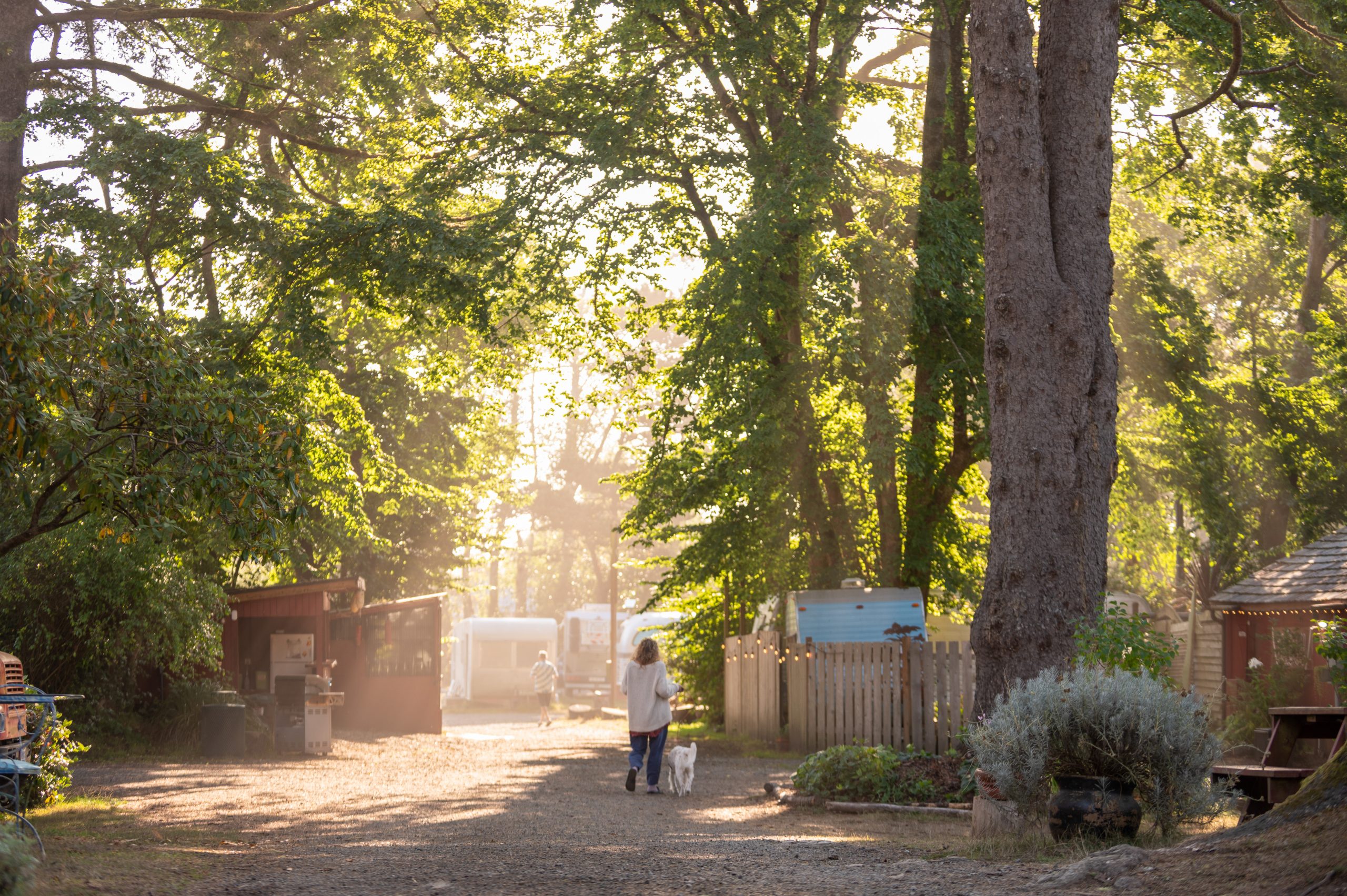
The grounds weave through native plants and tall trees, with picnic tables, fire pits, and quiet corners tucked throughout. It’s not uncommon to stumble upon an artist sketching, children chasing bubbles, or someone journaling with their dog at their feet. Near the coffee kiosk, neighbors and strangers often become friends, lingering over warm drinks and easy conversation. The outdoor spaces feel communal without pressure.
The invitation to slow down continues indoors, where small details spark joy and reflection.
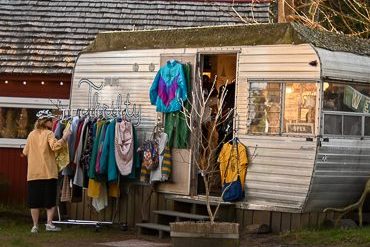
A guest favorite is the VHS and vinyl lending library, complete with TV/VCR combos and record players. These simple pleasures invite nostalgia, soft living, and the slower pace of travel. The curated Sou’wester market features handmade goods by local artists and past residents, offering guests a chance to take a piece of their stay home with them.
Whether you come for quiet, inspiration, connection, or something you can’t quite name, the Sou’wester offers more than a place to stay. It offers a place to belong, if only for a little while.